Masonry leads from facade inspection filings and public records
Masonry and restoration work is engineer-documented before it is bid: a facade inspection filing in New York City (FISP, Local Law 11) or Philadelphia (building certifications), a structural complaint, a building sold where a facade ordinance applies. FieldClients reads those records in each market every day and matches each one to the owner or managing agent. Pick your market, filter the feed to masonry and spend one credit to reveal the decision-maker and the reason to call. Self-serve from $99 a month.
Verified decision-maker email · Company phone where listed · Month to month
Masonry and restoration leads from facade inspection filings (New York City and Philadelphia), structural complaints, ownership transfers and facade-ordinance due dates in the 13 US municipalities that have one. Each signal is matched to the owner. One credit reveals the decision-maker, with a verified email.
- Self-serve from $99 a month.
- Self-serve covers US markets
- Verified decision-maker email on every reveal, company phone where listed
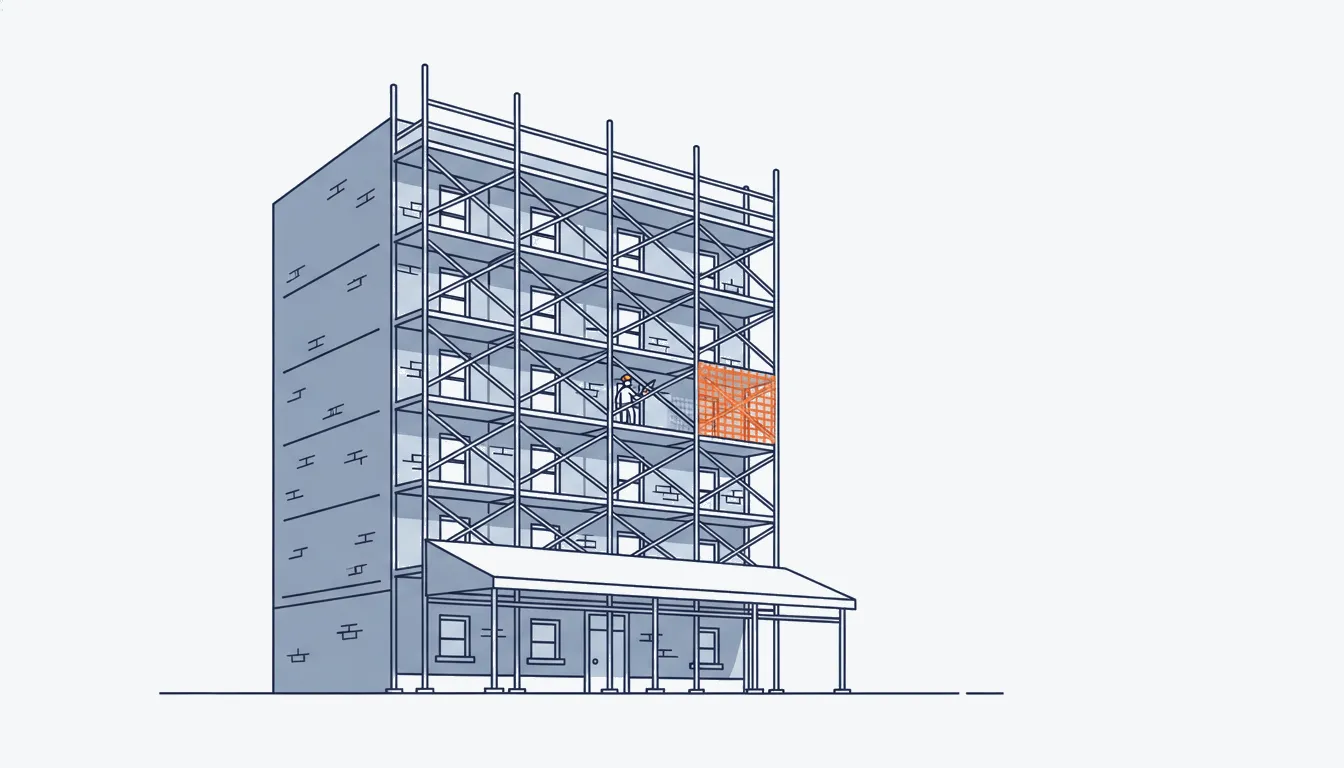
Why B2B: a homeowner repointing one stoop is a few hundred dollars once. A facade restoration program across a portfolio is recurring work for years. One account pays for a year of the feed.
The masonry signals we watch
Each one is a public, dated event that predicts masonry work, and a documented reason to reach out this week.
Facade inspection filings (FISP / Local Law 11)
An engineer already documented the defective masonry, and the city holds the deadline. SWARMP means mandated repair before the next cycle; UNSAFE means immediate action.
The scope is written, the deadline is legal, and the only open question is who gets hired.
Facade-ordinance due dates
Thirteen US cities require periodic facade inspections; the cycle and the building age put a report due in a known window.
The owner must commission an inspection and fix what it finds; you can be the firm that reads the ordinance for them.
Facade & structural complaints (311 + DOB)
Cracks, spalling, and falling brick reported by tenants and neighbors.
A complaint on record pressures the owner to act before it becomes a violation, or worse.
Building sold (ACRIS)
New ownership recorded on a masonry building.
The restoration backlog gets priced the moment a building changes hands.
NJ Structural Integrity inspections
Masonry and concrete condos statewide sit on a legal 15-year inspection clock; the reports mandate repairs.
A newer statute producing the same kind of engineer-documented, deadline-backed repair obligation.
New signals, added regularly
We keep wiring in new public data sources. Every new feed is another dated reason to call, live in your market automatically.
See how the machine works →Every source in your market. Filtered to masonry.
We read every public source in each market and match each record to the account behind the building. Each signal is tagged with the trades it predicts, so the masonry filter shows the records that predict masonry work. The markets below list what each one publishes.
New York City
The deepest public record in the country, on one open-data portal refreshed nightly: DOB permits and violations, HPD violations and registrations that name the managing agent, FISP facade filings, certificates of occupancy and ACRIS deeds. Every building can be matched to the company behind it.
Chicago
A strong city portal for permits, violations, 311 and business licences, with the Cook County recorder for deeds. The registration layer is thinner than New York, so matching leans on licences and ownership.
Phoenix
City permits and code cases, and the Maricopa County rental registration that names the owner and agent for every rented property in the county. A strong account layer.
Homeowner leads buy a job. Accounts buy for years.
Consumer lead marketplaces
- Homeowner jobs: one repair, then gone
- One form fill, with no public record behind it
- You pay per lead whether it answers or not
- Generic contacts: web forms, front desks, dead ends
The FieldClients feed
- B2B accounts: portfolios, contracts, repeat work
- Every public source in your market, filtered to your trade
- Every signal has a dated, documented reason to reach out
- Verified decision-maker email on every reveal, company phone where listed
Masonry questions
What is a SWARMP filing and why is it a lead?
SWARMP means Safe With a Repair and Maintenance Program: a facade inspection where the engineer found real defects that must be repaired before the next filing cycle. It is a written, engineer-certified repair scope with a legal deadline attached. The building needs the work by law; the only open question is which contractor gets it.
Is this NYC-only?
No, but it is strongest in New York City, where FISP filings are published as data and every SWARMP or UNSAFE classification is a lead. Philadelphia publishes building certifications, the nearest second. In Chicago, Boston, San Francisco, Pittsburgh, Cincinnati, Columbus, Cleveland, Milwaukee, Detroit, St. Louis and Jersey City the facade ordinance exists but the filings are not published, so the masonry feed there leads with ownership transfers, structural complaints and due-date inference from the inspection cycle and building age. New Jersey's Structural Integrity Act adds a statewide inspection-and-repair obligation for masonry and concrete condo buildings.
Do leads include the engineer's findings?
Each signal shows the public filing reference and the classification. The full report stays with the owner, but the classification plus the deadline is the reason to call: an engineer has documented the need, and the law has set the clock.
How is the feed built for a masonry company?
We read the public sources in each US market every day and tag each record with the trades it predicts. You pick a market, filter the feed to masonry and browse every signal; browsing is unlimited. When one is worth a call, one credit reveals the decision-maker and the dated reason to call. Export what you reveal to CSV.
What does it cost, and where is it available?
Self-serve from $99 a month. Month to month, no setup fee. Self-serve covers US markets and opens in about 10 days. 14 days of the full feed, free. Reveals start when you subscribe.
Keep reading
Masonry guides
How the signals on this page turn into work, written for operators rather than marketers.
See what your market's public records produce for masonry work.
Pick your market and browse the feed. 14 days of the full feed, free. Reveals start when you subscribe.
Self-serve from $99 a month · Month to month, no setup fee