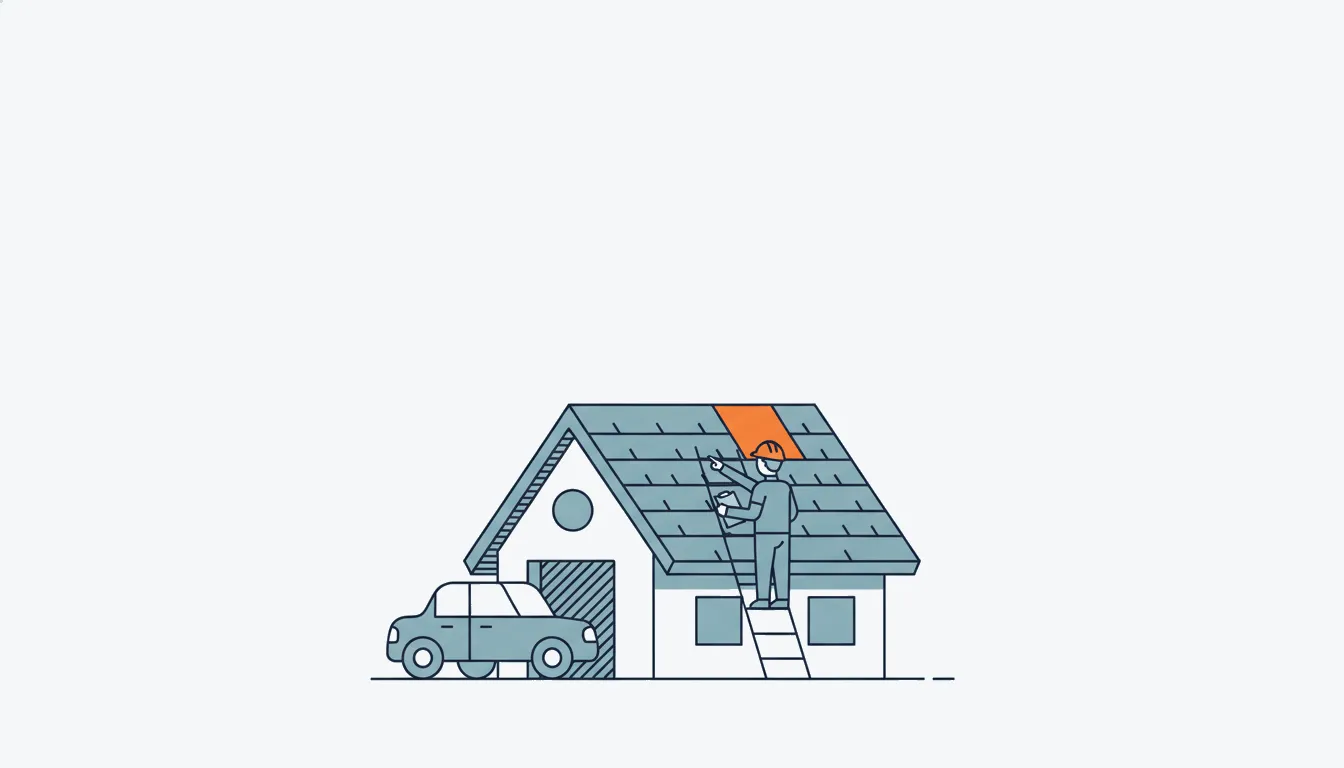
When an insurer asks for a roof inspection, it is asking for one of three specific documents: a 4-point inspection (roof, electrical, plumbing, HVAC, the standard ask on older homes), a wind mitigation inspection (documents wind-resistance features to earn premium credits), or a roof certification (a statement of condition and remaining useful life, the one age concerns trigger). In Florida, where this question dominates, the rules have teeth: insurers cannot refuse coverage solely on roof age under 15 years, a 15-plus-year roof can stay insurable with an inspection showing 5 or more years of useful life left, and a carrier walking away must give 120 days’ written notice. This guide explains all three inspections, what each outcome triggers, and, for roofers, why the inspection is the front door to the replacement.
The three inspections, compared
| Inspection | What it covers | Who orders it | Typical cost | What a fail triggers |
|---|---|---|---|---|
| 4-point | Roof, electrical, plumbing, HVAC: age, condition, remaining life | Owner, at insurer’s request (binding or renewal, older homes) | $100 to $300 | Repair demands with a deadline, or non-renewal notice |
| Wind mitigation | Seven wind-resistance categories: roof covering, deck attachment, roof-to-wall connection, roof geometry, secondary water resistance, opening protection | Owner, voluntarily, to earn credits | $75 to $150 | Nothing fails; missing features simply earn no credit |
| Roof certification | Roof condition and certified remaining useful life | Owner, when the insurer questions age | $100 to $250 | Under 5 years remaining life: replace or lose coverage |
Three practical notes. The wind mitigation form is valid for five years, and its credits are substantial enough that skipping it is simply donating premium. The 4-point is a binding document: what the inspector writes about the roof’s remaining life is what the underwriter prices, so who performs it matters. And the certification’s magic number is 5 years of remaining useful life: above it, coverage holds; below it, the roof is being replaced on someone’s schedule.
The Florida rules, specifically
Florida is the center of gravity for this entire topic, and three rules shape every outcome:
The 15-year rule. Since 2022, an insurer cannot refuse to write or renew a homeowners policy solely because of roof age when the roof is under 15 years old. At 15 or older, the homeowner has the right to an inspection, and if it shows at least 5 years of remaining useful life, age alone cannot be the reason for refusal. The operational meaning: 15 years is the trigger age at which every Florida roof meets an inspector.
The 120-day notice. Non-renewal requires at least 120 days’ written notice. That window exists so the owner can act, and it is exactly enough time to inspect, repair or replace, and get re-inspected before coverage lapses. Every non-renewal letter is therefore a project with a legal deadline attached.
Material thresholds in practice. Carriers layer their own underwriting on top: shingle roofs draw scrutiny well before tile or metal, and insurers of last resort apply their own age and condition standards. The statute sets the floor; the carrier’s guidelines set the experience.
Date-stamped September 2026: Florida’s 2026 legislative session carried roof-insurance bills (HB 815 / SB 808) that would adjust these rules; their status was unresolved at this update. This page is refreshed when the law moves.
What happens after a failed inspection
A fail is not one outcome but a fork, and the paperwork decides the path:
- Cited repairs, with re-inspection. Localized findings (soft decking, flashing, wear at penetrations) come back as a repair list and a deadline. Repair, re-inspect, keep coverage. This is the smallest job and the most time-sensitive.
- Replacement. Under 5 years certified life, or systemic wear, and the roof is being replaced inside the 120-day window, because the alternative is the non-admitted market at multiples of the premium.
- Coverage loss. The owner who does nothing lets the clock run out and then shops a shrinking market. Almost nobody chooses this on purpose; they choose it by not moving inside the window.
The homeowner’s rational play, and the advice worth publishing, is to inspect before the carrier does: at year 14 for a shingle roof, at listing time for a sale, at renewal when the premium jumps. A self-ordered inspection finds the same issues on the owner’s timeline, without a deadline letter attached.
For roofers: the inspection-first model
The inspection is the front door to the replacement, and the roofers growing fastest in inspection-driven markets are structured around that fact.
- Be the inspector, or partner with one. The 4-point and certification are performed by licensed inspectors and qualified contractors. A roofing company with inspection capability meets the roof at the decision moment, with the document the insurer will read. Where licensing separates the roles, a standing referral relationship with inspectors does the same job.
- Answer the searches the letters create. Non-renewal letters and premium jumps send owners to search for exactly the terms this page answers. A local page with the 15-year rule, the 120-day window, real inspection costs, and a same-week slot collects that demand.
- Quote the fork, not the job. After a fail, the owner is choosing between a repair with re-inspection and a replacement. Quoting both, with the insurance outcome of each spelled out, wins against the contractor who only quotes the replacement.
- The wind mitigation re-inspection is the follow-on sale. Every re-roof resets wind credits, so the close of a replacement should include the new wind mitigation inspection that captures them. It is a small line item that visibly pays the customer, and it finishes the file the insurer sees.
The economics, worked
Why the inspection-first model beats buying roofing leads, in numbers a roofing owner can check against their own book:
| Line item | Inspection-first | Bought leads |
|---|---|---|
| Cost per opportunity | $100 to $300 inspection (often paid by the owner) | $75 to $300 per shared lead |
| Competitors present | Usually none; you hold the document | 3 to 5 contractors on the same lead |
| Close rate to a paid job | High: the fork (repair or replace) is already forced | Low single digits to 10 percent |
| Average job when it converts | $8,000 to $25,000 replacement, or $1,000 to $4,000 repair with re-inspection | Same jobs, minus the trust advantage |
| Follow-on | Wind mitigation re-inspection, referrals inside the neighborhood wave | None built in |
The mechanism is worth stating plainly: an inspection is not a marketing cost, it is a paid diagnostic that ends with a legally dated decision. When the document says 4 years of remaining life and the carrier’s letter says 120 days, the conversation is not whether to do the work but who does it, and the inspector who found the condition is standing in the kitchen. The bought lead starts the same conversation five contractors late.
One more number matters for planning: inspection demand is synchronized. The 15-year threshold applies to whole subdivisions built in the same two-year window, so when one street’s roofs start failing certifications, the neighboring hundred homes are months behind. An inspection-first shop that logs build years by neighborhood can see its next two seasons of demand on a map.
The signal behind all of it: permit age
Everything above starts from one number: the roof’s age. And roof age, at market scale, is computable from public permit history. A property with no roof permit on file in 15-plus years, in a hurricane or hail state, is a roof crossing the insurer’s threshold, before the letter, before the inspection, before the competitors. A fresh re-roof permit marks a property that already moved, and the untouched neighbors around it. A wind mitigation filing marks a completed job with credits newly banked.
You can check any single address with our roof permit lookup. FieldClients runs the same check at market scale, daily, for roofing members: every property crossing the age threshold, matched to the owner or management account behind it, with a verified decision-maker email on every lead, and a company phone where listed, routed to a capped number of members per trade and market. The inspection wave is coming to every 15-year-old roof in the state on a schedule; the permit record says which addresses, and when.